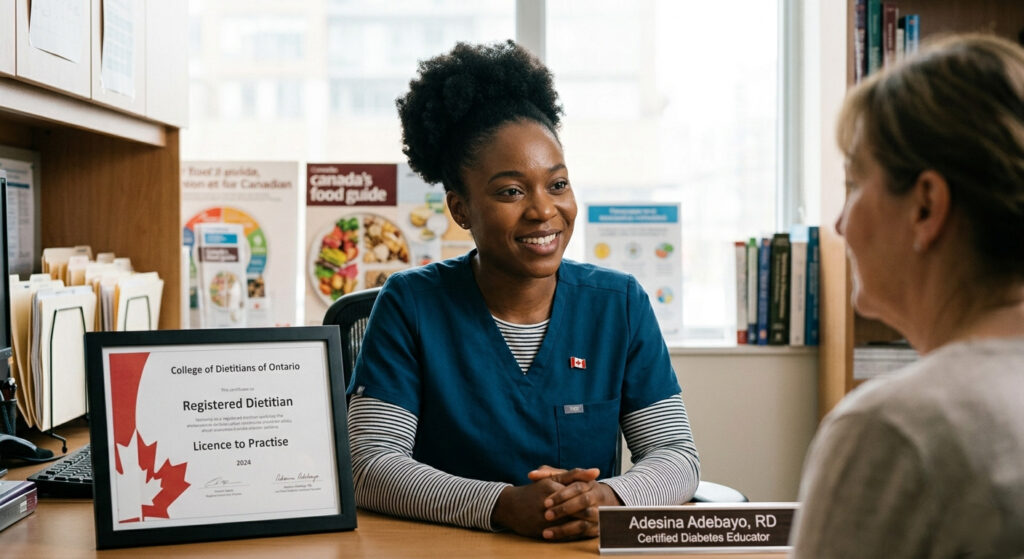
In the modern digital landscape, the traditional white-coated authority of the doctor’s office is being challenged by the high-definition, filter-ready world of social media. Millions of users now turn to their favorite creators for wellness tips, yet medical and nutrition professionals are sounding a collective alarm. What began as a “clean eating” trend has evolved into a sprawling ecosystem of misinformation that experts warn is causing “psychological, physical, financial, and systemic harm”.
The Credibility Gap
At the heart of the concern is a fundamental lack of expertise. While influencers often look the part—radiating the “glow” of health and fitness—looking healthy is not a substitute for a medical degree. According to a recent report in
The BMJ, influencer advice is frequently compromised by four key biases: a lack of medical expertise, industry influence, entrepreneurial interests, and personal beliefs.
“Such advice can cause… inaccurate self-diagnosis and inappropriate treatments to unnecessary spending and higher healthcare costs,” write researchers Raffael Heiss and colleagues. For example, when a celebrity like Kim Kardashian promotes full-body MRI screenings to hundreds of millions of followers, she bypasses the nuanced clinical judgment of physicians, often leading to overdiagnosis and unnecessary medical interventions.
The Business of Misinformation
Professional dietitians are particularly wary of the financial motives underlying viral health trends. The “attention economy” of platforms like TikTok and Instagram incentivizes dramatic, shocking, or novel claims that grab engagement but often lack scientific rigor. A survey by
Today’s Dietitian recently found that TikTok has vaulted to the top spot as a source of nutrition misinformation, fueled by trends like the “Nature’s Ozempic” craze for berberine—a supplement often promoted by individuals with zero nutrition qualifications.
Sam Previte, a registered dietitian, notes that when influencers without a medical background label foods as “toxic” or “garbage,” they aren’t just being unscientific—they’re being harmful. “There’s nothing inherently detoxifying about a drink—because ‘detoxes’ and ‘cleanses’ don’t actually work,” Previte explains, adding that these trends often manifest as disordered relationships with food.
The Danger of “Plastic Professionalism”
Perhaps most surprising is that the presence of actual doctors on social media hasn’t been the “quick fix” many hoped for. Some medically qualified influencers have adopted a style of “plastic professionalism,” where they use their credentials to sell personalized supplements or unproven lifestyle protocols.
While a doctor’s handle might include “MD,” it doesn’t guarantee they are experts in nutrition; notably, roughly 75% of medical schools do not require specific nutrition training. When these “medical influencers” use their authority to undermine standard public health guidelines—often to promote their own commercial ventures—they can inadvertently erode trust in the very healthcare systems they represent.
Real-World Consequences
The fallout of following unqualified advice is rarely just a wasted few dollars on a supplement. Experts point to a range of severe outcomes:
-
- Delayed Medical Care: Patients may attempt to treat serious illnesses with diet or “natural cures” they saw online, delaying life-saving treatments.
-
- Nutritional Deficiencies: Restrictive “fad” diets promoted by influencers can lead to a lack of essential vitamins and minerals.
-
- Mental Health Impact: Idealized body imagery and “orthorexic” eating patterns—an obsession with healthy eating—have a statistically significant negative impact on mood and body image.
Navigating the Chaff
For the average user, the advice from the Mayo Clinic is simple: look for “red flags”. If a post promises a “secret” cure, relies heavily on one person’s anecdotal experience, or uses dramatic language like “toxic” to describe common foods, it’s a sign to keep scrolling.
The medical community’s consensus is clear: while social media is a powerful tool for connection, your primary source of health information should be a licensed professional who knows your specific medical history. As the World Health Organization emphasizes, “promoting and disseminating trustworthy health information is crucial… to outweigh false or misleading health information disseminated in social media”.
Finding a qualified professional or verifying a viral claim can be tricky with so much noise online. Here are some of the most respected directories and tools used by experts to find reliable health information.
Finding a Credentialed Professional
In the U.S. and Canada, the titles
Registered Dietitian (RD) or
Registered Dietitian Nutritionist (RDN) are legally protected, meaning they require specific university education and supervised practice. [1, 2]
-
- United States: Use the Find a Nutrition Expert tool from the Academy of Nutrition and Dietetics. You can filter by zip code, specialty (e.g., diabetes, sports nutrition), and even those who offer telehealth.
-
- North America-wide: The Dietitian Directory is another independent tool to locate registered professionals across both countries. [3, 4, 5, 6, 7, 8, 9]
Health Fact-Checking Tools
When you see a “miracle” cure or a suspicious health claim, these sites specialize in scientific verification:
-
- Health Feedback: One of the most rigorous sites available, it uses a global network of scientists to “peer-review” viral health media and rate its credibility.
-
- SciCheck (FactCheck.org): A non-partisan project that specifically investigates science-based claims, particularly those related to public health and policy.
-
- Snopes (Medical Section): While famous for urban legends, Snopes has a dedicated team for debunking medical misinformation and wellness scams.
-
- Media Bias/Fact Check (MBFC): This tool is excellent for checking the overall reputation and bias of a health website before you trust its content. [10, 11, 12, 13]
Trusted Evidence-Based Libraries
For self-directed research, professionals recommend starting with these “gold standard” databases rather than a general search engine:
-
- MedlinePlus: Run by the NIH, it offers high-quality, easy-to-read information on symptoms, drugs, and supplements.
-
- Mayo Clinic Health Library: A searchable database for diseases, procedures, and evidence-based lifestyle interventions.
-
- The Cochrane Library: If you want the deepest level of evidence, this site provides systematic reviews of primary research in human health and policy.
The draw of social media influencers for health advice isn’t just about the information—it’s about deep-seated psychological triggers that “traditional” medicine often fails to pull.
1. The “Friend” Effect (Parasocial Relationships)
The most powerful tool an influencer has is the
parasocial relationship—a one-sided bond where followers feel they “know” the creator as a friend. [1, 2]
-
- Accessibility vs. Bureaucracy: While it might take weeks to see a doctor for a 15-minute appointment, an influencer is in your pocket daily.
-
- The “Lived Experience” Bias: We are evolutionarily wired to value stories over statistics. When someone shares a vulnerable “I cured my bloat with this tea” story, our brains prioritize that emotional narrative over a dense clinical report. [3, 4, 5]
2. Cognitive Shortcuts: Haloes and Authority
Our brains use “heuristics”—mental shortcuts—to process the flood of online data:
-
- The Halo Effect: If an influencer is attractive, fit, or charismatic, our brains subconsciously assume they must also be intelligent and credible in other areas, like medical science.
-
- Authority Bias: High follower counts and high-quality production value create a “veneer of authority”. We often equate popularity with accuracy, assuming that if a million people follow them, their advice must be vetted. [2, 6, 7, 8]
3. The “Institutional Gap”
Medical institutions often struggle with a “delivery problem.”
-
- “Clinical speak” vs. “Human speak”: Public health messaging can feel rigid and prescriptive. Influencers, however, use humor, bite-sized “snackable” content, and trending aesthetics to make health feel “cool” and intuitive.
-
- Relatability: An Afro-Canadian woman dealing with diabetes may find more comfort in a “patient influencer” who looks like her and shares her cultural diet than in a general brochure from a hospital. [3, 9, 10]
4. Reciprocity and Community
When an influencer provides “free” value—like a workout plan or recipes—followers feel a
reciprocity bias, a psychological urge to “pay them back” by trusting their endorsements or buying their suggested supplements. This fosters a sense of belonging to a “club,” which is a fundamental human need. [8, 11, 12]
The Rise of the “Medical Debunkers”
To fight back, some professionals are using these same psychological tactics for good. Success stories include:
-
- Authentic Experts: Doctors like “Doc Schmidt” use humor and relatable “day in the life” content to humanize the profession while slipping in evidence-based education.
-
- Evidence-Based Communities: Dietitians who adopt the “influencer style”—using storytelling and high-quality visuals—see much higher engagement and actual dietary improvements in their followers than those using traditional methods. [13, 14]
[1]
https://pmc.ncbi.nlm.nih.gov
[2]
https://www.linkedin.com
[3]
https://www.tandfonline.com
[4]
https://bmjgroup.com
[5]
https://blog.hypeauditor.com
[6]
https://zoe.com
[7]
https://www.embold.co
[8]
https://www.psychologytoday.com
[9]
https://www.tandfonline.com
[10]
https://globalforum.diaglobal.org
[11]
https://workbeyondborder.com
[12]
https://www.psychologytoday.com
[13]
https://pmc.ncbi.nlm.nih.gov
[14]
https://journals.sagepub.com
Your Attractive Heading
[1]
https://teamnutrition.ca
[2]
https://www.youtube.com
[3]
https://members.dietitians.ca
[4]
https://www.eatright.org
[5]
https://www.eatrightpro.org
[6]
https://members.dietitians.ca
[7]
https://www.dietitians.ca
[8]
https://dietitiandirectory.com
[9]
https://collegeofdietitians.ab.ca
[10]
https://library.planetree-sv.org
[11]
https://library.planetree-sv.org
[12]
https://www.betterhelp.com
[13]
https://lib.guides.umd.edu
[14]
https://www.nia.nih.gov
[15]
https://guides.library.ubc.ca
[16]
https://guides.library.ubc.ca


 By
By