 By
By 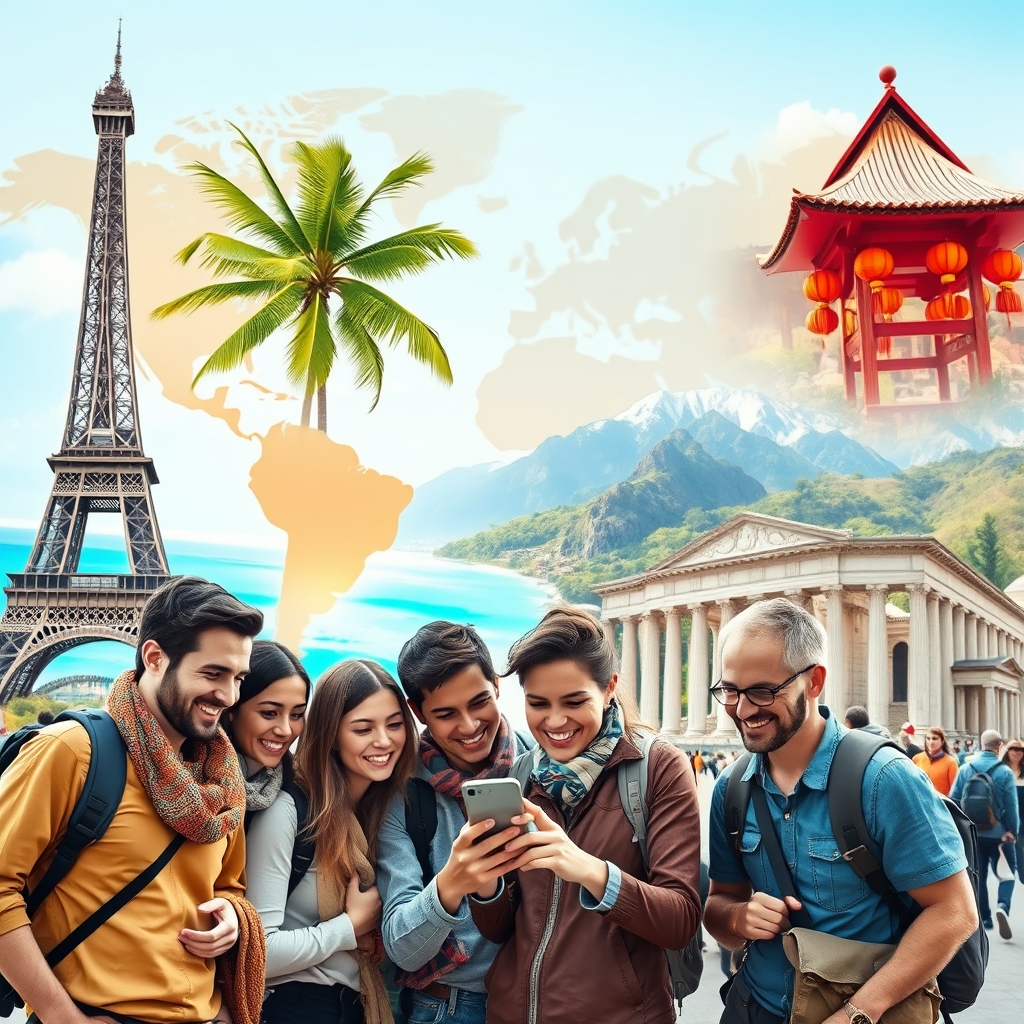
The world, it seems, has caught an insatiable case of wanderlust. From the bustling souks of Marrakech to the serene fjords of Norway, and from the ancient ruins of Rome to the glittering skylines of Dubai, more people are traveling further and more frequently than ever before. After a period of unprecedented stillness, the global tourism industry has roared back to life with a vengeance, not just recovering, but arguably entering a new, accelerated phase of expansion. It’s a phenomenon reshaping economies, cultures, and even our planet. But what exactly is fueling this massive surge, and in this grand global game of travel, who’s emerging as the triumphant winners, and who, unfortunately, is being left behind or even actively harmed?
The Engines of Wanderlust: What’s Driving the Boom?
Several powerful currents converge to create this tidal wave of tourism. First and foremost is the undeniable rise of a global middle class, particularly in emerging economies like China, India, and Southeast Asia. As disposable incomes grow, the desire to experience the world, once a luxury reserved for the affluent West, becomes an attainable dream for millions more. This demographic shift alone represents a colossal new market for travel.
Secondly, technology has fundamentally democratized travel. The internet has shattered barriers, making trip planning, booking flights, and finding accommodation easier and often cheaper than ever. Online travel agencies (OTAs), price comparison websites, and peer-to-peer lodging platforms have put the power directly into the hands of travelers. Social media, too, plays an enormous role. The allure of sharing breathtaking photos, checking in at exotic locales, and creating aspirational travel content fuels a powerful ‘fear of missing out’ (FOMO) among friends and followers, turning travel into a form of social currency.
Beyond economics and technology, there’s a cultural shift at play. Many people, especially younger generations, prioritize experiences over material possessions. Travel offers not just a break from routine but an opportunity for personal growth, cultural immersion, and memory-making. The rise of ‘experiential travel’ – seeking authentic interactions, adventure tourism, and deep dives into local life – reflects this desire for more meaningful journeys. Furthermore, the increasing flexibility of remote work has untethered many from traditional offices, enabling longer trips, ‘workcations,’ and the burgeoning digital nomad lifestyle, blurring the lines between work and travel.
Finally, improved global connectivity, with more direct flight routes and increasingly affordable airfares, makes even far-flung destinations seem within reach. Infrastructure development in many countries, driven by the anticipation of tourism, also plays a part, creating better roads, more airports, and a wider array of hospitality options.
The Victor’s Spoils: Who’s Winning Big?
Traditional Hotspots and Emerging Gems
Unsurprisingly, the traditional tourism powerhouses – Paris, Rome, New York, Tokyo – are seeing their visitor numbers surge, often surpassing pre-pandemic levels. Their established infrastructure, iconic attractions, and brand recognition continue to draw in millions. For these destinations, it’s a welcome economic injection, boosting local businesses, creating jobs, and filling government coffers through taxes.
However, the boom isn’t just about the usual suspects. Emerging destinations, often off the beaten path, are also experiencing unprecedented growth. Countries in Southeast Asia, parts of Eastern Europe, and less-explored regions of Latin America are capitalizing on travelers’ desires for novelty and authenticity. This influx of tourists can be a transformative force, bringing much-needed foreign currency, stimulating local economies, and encouraging investment in infrastructure that benefits both visitors and residents.
The Travel Industry Ecosystem
The entire travel ecosystem is thriving. Airlines are adding new routes and expanding fleets, cruise lines are launching bigger and more luxurious ships, and the hospitality sector, from luxury resorts to boutique hotels and budget hostels, is seeing robust occupancy rates. Tour operators, local guides, transportation services, and even souvenir vendors are all riding the wave. The tech companies facilitating this boom – Google Flights, Booking.com, Airbnb, Tripadvisor – continue to grow exponentially, cementing their positions as indispensable intermediaries in the travel planning process.
The Other Side of the Coin: The Losers and the Looming Challenges
The Scourge of Overtourism
While the economic benefits are clear, the tourism boom comes with a significant dark side, primarily manifesting as ‘overtourism.’ Iconic cities like Venice, Amsterdam, Barcelona, and Kyoto are struggling under the sheer weight of visitor numbers. This isn’t just an inconvenience; it’s a crisis for local communities. Historic centers become theme parks, authentic local businesses are replaced by tourist traps, and essential services for residents are strained. Housing prices skyrocket as properties are converted into short-term rentals, forcing locals out of their neighborhoods. The quality of life for residents plummets, leading to resentment and a loss of cultural identity.
The environmental impact is equally devastating. Increased foot traffic erodes natural sites, waste generation surges, and the carbon footprint of air travel contributes significantly to climate change. Fragile ecosystems, from coral reefs to mountain trails, are under immense pressure from unregulated or excessive tourism.
Economic Leakage and Inequality
Despite the headlines about economic boosts, not all tourism revenue stays local. In many destinations, particularly those with underdeveloped infrastructure, a significant portion of the money spent by tourists ‘leaks’ out of the local economy. Large international hotel chains, cruise lines, and tour operators often repatriate profits to their home countries, and even local businesses often rely on imported goods. This means that while some individuals and businesses thrive, the broader community might not see the full benefit, exacerbating existing economic inequalities.
Loss of Authenticity and Cultural Commodification
When a culture becomes a commodity, its authenticity is often the first casualty. Traditional festivals might be staged for tourists, local crafts mass-produced, and genuine interactions replaced by transactional ones. The unique charm that initially attracted visitors can slowly erode, leaving behind a sanitized, commercialized version of a place.
Navigating the Future: Towards a More Balanced Wander
The challenge for the global tourism industry and the destinations it impacts is to find a sustainable equilibrium. Many cities and countries are beginning to implement strategies to combat overtourism: capping visitor numbers, introducing tourist taxes, promoting off-season travel, and encouraging visitors to explore less-trafficked areas. There’s a growing push for ‘responsible tourism’ and ‘sustainable travel’ – concepts that prioritize environmental protection, cultural preservation, and equitable economic benefits for local communities.
Technology, which fueled much of the boom, can also be part of the solution. Data analytics can help manage crowd flows, smart city initiatives can reduce environmental impact, and digital platforms can be used to promote local, community-based tourism initiatives directly to travelers, bypassing large intermediaries. The shift towards conscious travel, where visitors actively seek out ethical operators and make choices that minimize their footprint, is a hopeful sign.
The global wanderlust is a powerful, undeniable force, bringing immense joy and economic opportunity, but also significant pressures. As the world continues to shrink with every new flight path and every shared photo, the imperative to manage this incredible phenomenon with foresight and a deep sense of responsibility becomes ever more critical. The beauty of travel lies in its ability to connect, educate, and inspire, and ensuring that these core values are preserved for future generations of travelers and the communities they visit requires a collective commitment to thoughtful stewardship, moving beyond mere economic metrics to embrace a holistic vision of planetary and cultural well-being.




 By
By  By
By  By
By